


The Gold Coast gaming floor is busy as a Saturday arvo, and multi hand blackjack rewards a steady mind more than a rushed one. I have spent years steering supplier strategy and commercial oversight at Independent Gaming Pty Ltd, so I look at table pace, variance, and player retention the same way I assess a new game deal. The best strategy for multi hand blackjack is less about chasing every hand and more about protecting your bankroll while letting the maths do the heavy lifting. That is the angle we will walk through, with a practical look at how a player actually sits down, sets up, and keeps playing after the welcome offer fades.
Building a table routine that survives the rush
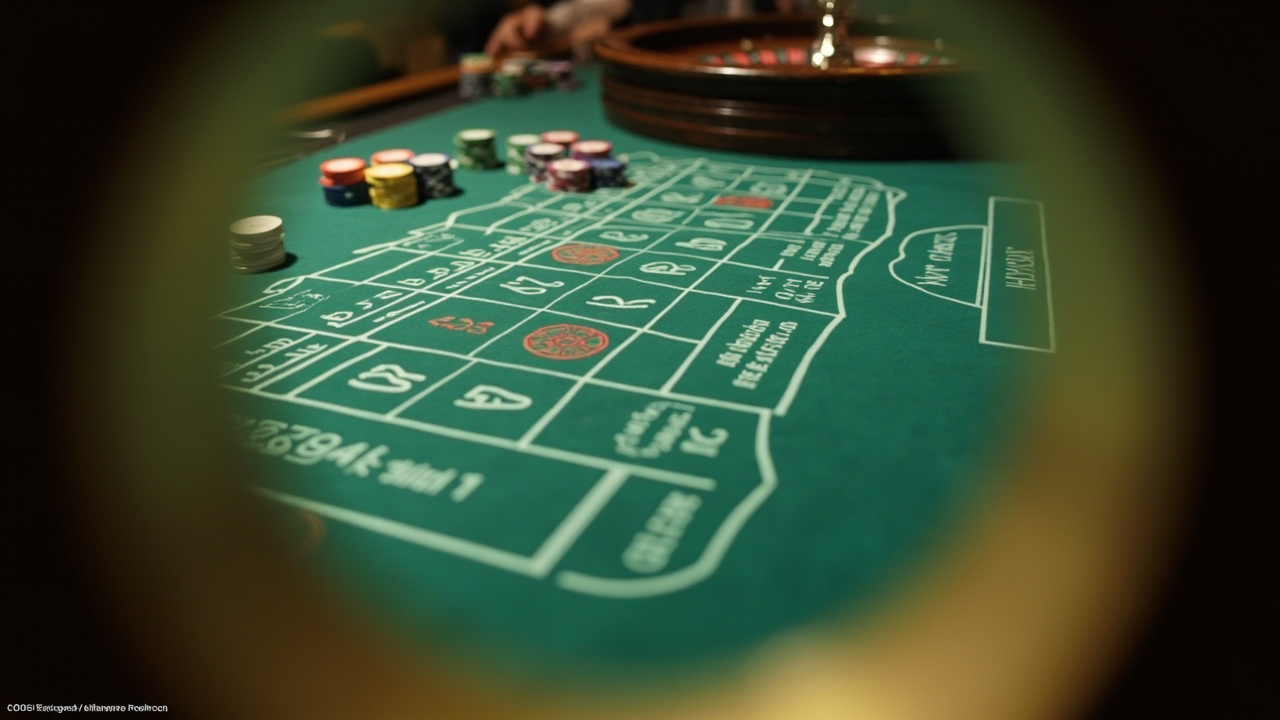
A good session starts before the first card drops. On a busy Gold Coast venue, the screens fill fast and the pace can tilt from thoughtful to frantic in minutes. My commercial view is simple: a table product that keeps players engaged without burning through their deposit wins on retention every time. That same discipline applies to your own play. Decide your session bankroll, your bet unit, and your stop conditions before you touch a chip. Multi hand blackjack multiplies outcomes, so a disciplined routine matters more than a lucky streak. If you want a second perspective on how thoughtful pacing can shape results, this piece on multihand blackjack win strategies for thoughtful play lays out a similar approach.
From a supplier and operations angle, I treat table limits and bet sizing as the first commercial filter. A player who bets three hands at the table minimum is playing a very different game from one who spreads across five hands at a higher stake. The former gets more hands in, more decisions, and more chances to apply basic strategy consistently. The latter increases variance sharply and can turn a decent session into a short, expensive one. I have seen game deals fall apart because the mechanics looked good on paper but the player experience felt rushed or confusing. Multi hand blackjack works when you treat each hand as its own decision, not as a single big bet split across screens.cauldronsandcrockpots.com
The practical setup is straightforward. Pick a table that suits your bankroll, check the number of hands you can play comfortably, and set a base unit that leaves you enough room for variance. I would rather see a player run a smaller unit across more hands than blow through a balance on two aggressive spreads. That is the kind of commercial judgement I apply when we assess whether a product will hold its own over repeated sessions, not just a first visit.
A step by step walkthrough for the table
- Pick your seat the breakdown and confirm the number of hands you plan to play before you place a wager.
- Set a session bankroll and a base bet unit that fits that bankroll without stretching it thin.Multihand blackjack win strategies for thoughtful
- Learn the basic strategy chart for the specific rules in play, especially the dealer stand and double rules.
- Place your first round of wagers across the hands you want to play, keeping the spread even and manageable.
- Make each hand decision independently, using the chart rather than reacting to what the other hands do.
- Track your result after each round and decide whether to keep the same unit, trim it, or step away.
That sequence sounds plain, but it is where most sessions go sideways. Players often let one bad hand dictate the next bet, or they chase a losing screen by increasing the spread without changing the underlying decision-making. I have overseen supplier negotiations where the product team argued over features, and I always pushed back toward the player journey: does this make the next decision clearer, or does it add noise? Multi hand blackjack is the same test. The best strategy for multi hand blackjack is the one that keeps your decisions consistent when the pace picks up.
Hand management is the real skill. If you are playing three or four hands, you are making several independent basic-strategy calls at once, and the temptation to second-guess one hand based on another is constant. Resist it. A ten against a dealer seven is the same decision whether the hand to your left just doubled or busted. I have seen players lose more through indecision than through any single bad card. Treat each screen as its own table, apply the chart, and move on. That discipline is what separates a controlled session from a messy one.
Bankroll management matters just as much. I would set a session limit that I am comfortable losing entirely, then divide it into units that let me play a meaningful number of hands without running dry too quickly. If the unit is too large, the variance will knock you around before you get enough hands to see your strategy work. If it is too small, the session can feel flat and the decisions can blur together. The right size is the one that lets you stay focused through a full round of play, not the one that makes you feel busy for twenty minutes.
After the welcome offer, the real test begins. A first deposit bonus can make the early sessions feel forgiving, but ongoing value comes from the repeat-play reasons that keep you coming back without relying on a one-off boost. I judge any gaming product by what happens after the welcome offer, because that is where commercial reality sets in. Recurring promos, cashback, loyalty tiers, and tournaments are the structures that matter if you want to keep playing with a clear head rather than chasing a bonus that has already been used.
A solid loyalty programme should reward consistent play, not just big swings. Cashback can soften the edges of a rough session without encouraging reckless betting, and tournaments can add a structured reason to return without changing the underlying blackjack strategy. I have negotiated supplier terms where the commercial value came from repeat engagement, not from a flashy launch. The same logic applies to your own play: look for a venue or platform that keeps giving you reasons to return through loyalty points, regular promos, and sensible cashback, rather than one that leans entirely on the first deposit.
Who this approach suits best
This style of play suits a player who wants structure over spectacle. If you enjoy making the same careful decision several times in a row and you are comfortable with variance, multi hand blackjack can feel steady and engaging. If you prefer a single hand and a slow, quiet session, the multi hand format may feel like too much screen noise. I would not push it on every player any more than I would push a fast-paced product on a venue that wants a calmer floor. The right fit depends on how you handle several decisions at once and whether you can stick to a plan when the cards turn against you.
For a Gold Coast player, the local context matters too. A weekend crowd brings energy, but it also brings distractions, and that is exactly when a clear routine pays off. I have always believed the best commercial products are the ones that respect the player’s time and give them a fair go at playing well, not just at winning quickly. Multi hand blackjack rewards that mindset when you keep your bets measured, your decisions independent, and your session limits firm.

The best strategy for multi hand blackjack is not a secret system. It is a repeatable routine: set your bankroll, choose a sensible unit, apply basic strategy to each hand on its own, and judge the session by how well you followed the plan rather than by any single round. That is the kind of play I would back as a manager, and it is the kind of play that keeps a player coming back for the right reasons.